Educational information · Not medical advice
Table of Contents
Introduction
If you’ve ever been prescribed an SNRI (serotonin-norepinephrine reuptake inhibitor) for anxiety, you may have asked yourself, “Why use an SNRI for anxiety disorder when norepinephrine is stimulating?” This is a common concern because norepinephrine, often associated with the body’s fight-or-flight response, can increase heart rate, alertness, and feelings of tension—symptoms that seem counterproductive when treating anxiety.
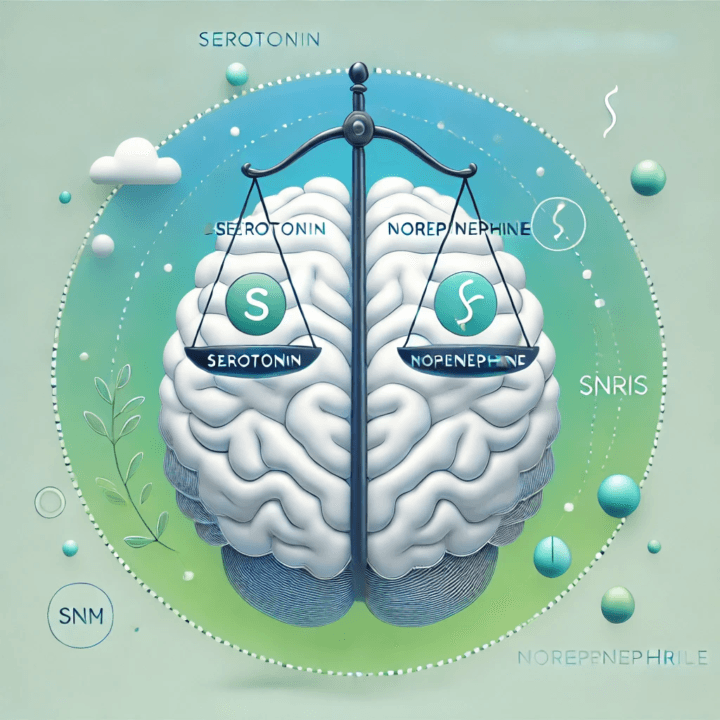
However, the relationship between norepinephrine, serotonin, and anxiety is more complex than it seems. SNRIs don’t simply “stimulate” the body; they balance the neurotransmitter systems, promoting long-term calmness and reducing excessive nervous responses.
In this blog, we’ll break down the science behind SNRIs, how they affect anxiety, and why they’re a popular and effective treatment option despite their association with norepinephrine.
What Are SNRIs, and How Do They Work?
SNRIs, or serotonin-norepinephrine reuptake inhibitors, are a class of antidepressant medications commonly used to treat anxiety, depression, and other mood disorders. They work by preventing the reabsorption (reuptake) of two key neurotransmitters: serotonin and norepinephrine. This increases their availability in the brain.
Key Neurotransmitters:
- Serotonin: Known as the “feel-good” chemical, serotonin helps regulate mood, sleep, and emotional well-being.
- Norepinephrine: Often linked to alertness and arousal, norepinephrine helps manage attention and the body’s response to stress.
By increasing both serotonin and norepinephrine levels, SNRIs create a balancing effect that helps reduce chronic anxiety without causing overstimulation in most cases.
Why Is Norepinephrine Associated with Stimulation?
Norepinephrine plays a key role in the sympathetic nervous system, which triggers the body’s fight-or-flight response. Under stressful situations, norepinephrine is released to:
- Increase heart rate and blood pressure
- Improve alertness and focus
- Prepare muscles for quick reactions
These effects are useful in short bursts, but chronic norepinephrine activation is often linked to conditions like generalized anxiety disorder, where the body stays in a prolonged state of arousal. Naturally, the idea of increasing norepinephrine may seem counterintuitive for someone with anxiety.
Why Do SNRIs Help Anxiety Despite Norepinephrine’s Stimulating Effects?
1. Balanced Neurotransmitter Activity
SNRIs don’t just increase norepinephrine on their own—they also increase serotonin, which counterbalances its effects. Serotonin promotes calmness, emotional regulation, and inhibition of overactive stress responses. When both neurotransmitters are balanced:
- Excessive fight-or-flight responses are reduced
- Mood is stabilized
- Physical symptoms like muscle tension, rapid heartbeat, and restlessness are minimized
2. Improved Cognitive Control Over Anxiety
Anxiety often involves intrusive thoughts and difficulty controlling worry. Norepinephrine, when regulated properly, can enhance focus and cognitive function, allowing patients to better manage anxious thoughts and improve emotional resilience.
How this helps:
- Improves concentration
- Reduces mental fatigue caused by constant worrying
- Enhances problem-solving and rational thinking during stressful events
3. Desensitization of Overactive Neural Pathways
Chronic anxiety involves overactivation of certain neural circuits, particularly those involving the amygdala (the brain’s fear center). SNRIs help desensitize these pathways by modulating the levels of norepinephrine and serotonin over time, reducing the intensity of fear responses.
4. Reduction in Physical Symptoms of Anxiety
While norepinephrine can initially seem stimulating, its long-term modulation by SNRIs can reduce physical symptoms like:
- Sweating
- Trembling
- Heart palpitations
- Muscle tension
Over time, the body adapts to the medication, and the calming effects of serotonin take precedence.
Who Benefits the Most from SNRIs for Anxiety?
SNRIs are commonly prescribed for:
- Generalized Anxiety Disorder (GAD)
- Panic Disorder
- Social Anxiety Disorder
- Post-Traumatic Stress Disorder (PTSD)
Why They’re Effective:
Patients with anxiety often experience both emotional and physical symptoms, and SNRIs target both. They address the cognitive symptoms (racing thoughts, excessive worry) through serotonin regulation and the physical symptoms (heart palpitations, restlessness) through long-term norepinephrine modulation.
Potential Side Effects of SNRIs and How to Manage Them
While SNRIs are generally well-tolerated, some people may experience side effects, especially in the early stages of treatment.
Common Side Effects:
- Mild nausea
- Increased heart rate or palpitations
- Sweating
- Sleep disturbances
Why These Occur:
These symptoms are often temporary and related to the body adjusting to increased norepinephrine levels. In most cases, they subside within a few weeks.
Management Tips:
- Start with a low dose: Gradually increasing the dose helps minimize side effects.
- Take medication at the same time daily: This helps regulate your body’s response to the drug.
- Stay in touch with your doctor: If side effects persist, dose adjustments or alternative medications may be necessary.
Are There Alternatives to SNRIs for Anxiety Treatment?
If SNRIs aren’t suitable, other treatment options include:
- SSRIs (Selective Serotonin Reuptake Inhibitors): Focus solely on increasing serotonin and are often used as a first-line treatment.
- Cognitive Behavioral Therapy (CBT): A non-medication option that helps individuals change negative thought patterns.
- Benzodiazepines: Fast-acting but intended for short-term use due to risk of dependency.
Each treatment plan should be personalized, and SNRIs remain a popular option for those with both physical and emotional anxiety symptoms.
Conclusion
Although norepinephrine is typically known for its stimulating effects, SNRIs help regulate its activity rather than overstimulate the body. When combined with increased serotonin, they provide a dual action that reduces anxiety over time. This balance not only alleviates the emotional toll of anxiety but also reduces physical symptoms like rapid heart rate and muscle tension.
So, why use an SNRI for anxiety disorder when norepinephrine is stimulating? The answer lies in the careful balance between calming serotonin and regulating norepinephrine. When managed properly, SNRIs offer a comprehensive approach to treating anxiety, improving quality of life for many patients.
FAQ
1. Are SNRIs better than SSRIs for anxiety?
SNRIs may be more effective for patients who experience both emotional and physical symptoms of anxiety. However, SSRIs are often preferred for first-line treatment due to their milder side effect profile.
2. How long does it take for SNRIs to work on anxiety?
It can take 4-6 weeks for the full effects to be felt, though some individuals may notice gradual improvements within the first two weeks.
3. Can SNRIs worsen anxiety initially?
Yes, some patients may experience heightened anxiety during the first few weeks of treatment. This is temporary and typically subsides as the body adjusts.
4. What are common SNRIs prescribed for anxiety?
Venlafaxine (Effexor) and Duloxetine (Cymbalta) are two common SNRIs used to treat anxiety disorders.
5. Can lifestyle changes enhance the effects of SNRIs?
Yes, incorporating stress management, regular exercise, and a healthy diet can help improve overall outcomes.
External Links
About this information
Consult the sources listed in the article. This notice does not certify an individual clinical review.
This article is for education only and is not medical advice. Talk to a qualified clinician about your own symptoms.




0 Comments