Table of Contents
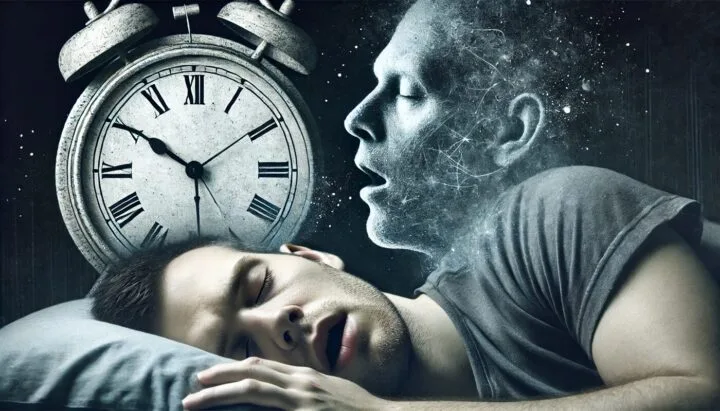
Sleep apnea is often brushed off as “just snoring,” but here’s the real question: Can sleep apnea actually kill you? If you or someone you know suffers from this condition, understanding the dangers is crucial. Let’s break it down and uncover the life-threatening risks of untreated sleep apnea.
What Is Sleep Apnea? 😴
Sleep apnea is a serious sleep disorder where breathing repeatedly stops and starts during sleep. These pauses (called apneas) can last 10 seconds or longer and happen dozens to hundreds of times per night.
🚨 Three Main Types of Sleep Apnea:
✅ Obstructive Sleep Apnea (OSA): The most common type, caused by relaxed throat muscles blocking airflow.
✅ Central Sleep Apnea (CSA): The brain fails to send signals to breathe.
✅ Complex Sleep Apnea Syndrome: A combination of OSA and CSA.
If untreated, sleep apnea can have deadly consequences—and we’re not just talking about poor sleep.
How Can Sleep Apnea Kill You? ⚠️
1. Increases Risk of Heart Attacks & Strokes 🫀❌
When your oxygen drops due to apnea episodes, your heart works harder to pump blood. Over time, this leads to:
✔️ High blood pressure
✔️ Irregular heartbeats (arrhythmias)
✔️ Increased risk of heart attacks and strokes
💡 Fact: Studies show untreated sleep apnea increases the risk of sudden cardiac death by up to 140%.
2. Causes Dangerous Daytime Drowsiness & Accidents 🚗💥
Severe sleep apnea leads to chronic sleep deprivation, making you:
✔️ Less alert while driving 🚘
✔️ More prone to falling asleep at work or while operating machinery 🏗️
💡 Fact: The National Highway Traffic Safety Administration (NHTSA) reports that drowsy driving causes 100,000 crashes per year—many linked to sleep apnea.
3. Triggers Fatal Respiratory Failure 🫁🚨
In severe cases, oxygen deprivation from untreated sleep apnea can cause complete respiratory failure, especially in individuals with underlying lung diseases like COPD.
✔️ Low oxygen (hypoxia) can shut down vital organs
✔️ CO₂ buildup can lead to coma or sudden death
4. Can Lead to Sudden Death in Sleep 🛌💀
Sudden death from sleep apnea is often due to:
✔️ Extreme oxygen drops
✔️ Fatal arrhythmias (irregular heartbeat)
✔️ Uncontrolled high blood pressure leading to heart failure
💡 Fact: Up to 40% of heart failure patients have sleep apnea—often undiagnosed.
Signs You Might Have Sleep Apnea 🛑
🚨 Common Symptoms:
✔️ Loud snoring 😴
✔️ Gasping for air during sleep 😮💨
✔️ Waking up with a dry mouth 🤐
✔️ Morning headaches 🤕
✔️ Extreme daytime fatigue 💤
✔️ Irritability and mood swings 😡
🚨 When to See a Doctor?
If you experience gasping, choking, or stopping breathing at night, seek medical help immediately.
Can Sleep Apnea Be Treated? ✅
Yes! The good news is sleep apnea is treatable, and taking action can save your life.
🔹 CPAP Therapy (Continuous Positive Airway Pressure) – Keeps airways open with constant airflow.
🔹 Oral Appliances – Special mouthguards that prevent airway collapse.
🔹 Weight Loss & Lifestyle Changes – Reducing excess weight can significantly improve symptoms.
🔹 Surgery (for severe cases) – Procedures like UPPP or Inspire Therapy can help in extreme cases.
💡 Fact: CPAP therapy reduces heart attack risk by 64% in sleep apnea patients.
Final Thoughts: Can Sleep Apnea Kill You? 😨
Yes, untreated sleep apnea can be deadly. It increases the risk of heart disease, strokes, fatal accidents, and even sudden death in sleep. But the good news is that with proper treatment, you can live a normal, healthy life.
🚨 If you suspect you have sleep apnea, don’t wait—get tested today!
FAQs ❓
1. Can sleep apnea cause a heart attack?
Yes! Sleep apnea increases stress on the heart, leading to high blood pressure, arrhythmias, and heart attacks.
2. Can you die in your sleep from sleep apnea?
Yes, severe cases can cause sudden cardiac death due to lack of oxygen.
3. How do I know if I have sleep apnea?
If you snore loudly, gasp for air at night, or feel exhausted during the day, consult a doctor for a sleep study.
4. Can losing weight cure sleep apnea?
For some people, weight loss reduces or even eliminates sleep apnea, but not always. CPAP therapy is still often needed.
5. Is CPAP the only treatment for sleep apnea?
No, other options include oral appliances, surgery, and positional therapy.
