
Educational information · Not medical advice
In brief
TMJ treatment compared honestly: what the BMJ review of 153 trials says about physical therapy vs a splint vs Botox for TMJ pain, and which to try first.
In this article
- What did the big BMJ review actually find?
- How well does physical therapy work for TMJ?
- What can a splint or night guard actually do?
- Where does Botox fit in TMJ treatment?
- Physical therapy vs splint vs Botox, side by side
- How should you choose a TMJ treatment order?
- Frequently asked questions
- Conclusion
- Sources
Key Takeaways
- In the largest head-to-head comparison of chronic TMJ pain, the interventions with the strongest support were active ones — therapist-assisted jaw mobilisation, manual trigger point therapy, and supervised jaw exercise and stretching — not a device or an injection.
- A removable splint can protect teeth and may help some people, but the evidence that it reduces TMJ pain is limited, and it should never be designed to permanently change your bite.
- Botox is not approved by the U.S. Food and Drug Administration (FDA) for temporomandibular disorders (TMD), the trial results are mixed, and a 2024 meta-analysis found it was not significantly better than placebo for pain.
- The sensible TMJ treatment order is reversible first: self-care and physical therapy, a splint for tooth protection if needed, and injections only for selected cases that have not responded.
If you are choosing a tmj treatment, the sales pitch and the evidence rarely point in the same direction. Splints are sold as the default, Botox is marketed as the modern fix, and physical therapy — the least glamorous option — is often mentioned last. This article compares all three against the largest comparative evidence review available for chronic temporomandibular disorder (TMD) pain, so you can see what each one can and cannot do before you pay for any of them.
One date check before we start, because accuracy matters here: the BMJ systematic review and network meta-analysis at the centre of this comparison was published in The BMJ in December 2023 (BMJ 2023;383:e076226), alongside a companion clinical practice guideline (BMJ 2023;383:e076227). It is often discussed as “the 2024 review” because clinics and summaries picked it up through 2024, but the paper itself is a 2023 publication. Its findings are still the most comprehensive comparative picture of tmj treatment we have.
What did the big BMJ review actually find?
The review team searched five major databases and found 233 randomised trials eligible for review. Of those, 153 trials — enrolling 8,713 participants and covering 59 interventions or combinations — were included in network meta-analyses comparing treatments for chronic pain associated with TMD. A network meta-analysis matters because most individual trials compare one treatment against placebo or usual care; pooling them this way lets researchers compare treatments that have rarely been tested directly against each other.
The headline result is uncomfortable for anyone selling a single product. With high to moderate certainty evidence, the three therapies probably most effective for pain relief were cognitive behavioural therapy (CBT) augmented with biofeedback or relaxation therapy, therapist-assisted jaw mobilisation, and manual trigger point therapy. The review reported risk differences for achieving a minimally important difference in pain relief of 36% for CBT augmented with biofeedback or relaxation, 36% for therapist-assisted jaw mobilisation, and 32% for manual trigger point therapy, each compared with placebo or sham procedures.
A second group was less effective, yet still more effective than placebo, with risk differences ranging from 23% to 30%: CBT on its own, supervised postural exercise, supervised jaw exercise and stretching, supervised jaw exercise and stretching combined with manual trigger point therapy, and usual care such as home exercises, self-stretching, reassurance, self-massage, and education. Notice the pattern: every intervention in both groups involves movement, hands-on care, coping skills, or self-management. None of them is a passive device, and none is an injection.
153 trials, 8,713 participants, 59 interventions. That is the scale of the BMJ network meta-analysis — and the treatments at the top of its ranking were active, movement-based therapies, not splints or injections. Numbers are from the review itself (BMJ 2023;383:e076226).
The U.S. National Institute of Dental and Craniofacial Research (NIDCR) points the same way. Because evidence for many TMD treatments is limited, the NIDCR advises conservative tmj treatment and avoiding treatments that permanently change the jaw joints, teeth, or bite, or that involve surgery. It also notes that many TMDs last only a short time and go away on their own, and that clicking or popping without pain is common, normal, and does not need treatment at all.
How well does physical therapy work for TMJ?
Physical therapy is the umbrella for the interventions the BMJ review ranked highest: therapist-assisted jaw mobilisation, manual trigger point therapy on the chewing muscles, and supervised jaw exercise and stretching, sometimes combined with postural exercise. The NIDCR describes the goal of physical therapy as maintaining, improving, or bringing back movement and physical function, and notes that research suggests manual therapy — a therapist using their hands to stretch the soft tissues and muscles around the joint — can help improve function and relieve pain.
Physical functioning results in the BMJ review reinforce the pain findings. With moderate certainty, four interventions probably improved physical functioning: supervised jaw exercise and stretching, manipulation, acupuncture, and supervised jaw exercise combined with mobilisation. Hands-on jaw care appears in that list twice. That matters because TMJ problems are not only about pain scores — limited opening, chewing fatigue, and a jaw that will not move freely are often what bring people to a clinic.

Physical therapy is not effortless, and that is its main drawback. It takes appointments, a home exercise routine done consistently, and usually weeks before the benefit is clear. It also depends on finding a therapist who actually treats the jaw and neck — general exercise advice is not the same as the therapist-assisted mobilisation and trigger point work tested in the trials. But it is reversible, it carries few harms, and it teaches you skills that keep working after the appointments end. Our overview of physical therapy for TMJ disorders explains what a course of treatment typically involves.
What can a splint or night guard actually do?
A splint — also called an intraoral appliance, night guard, or stabilisation appliance — fits over the teeth. The NIDCR is precise about what it does: appliances protect the teeth and may help with habit reversal, such as jaw clenching, and they do not change the teeth or bite. On pain, the NIDCR is equally direct: there is not a lot of evidence on whether they improve TMD pain. If a dentist suggests one, it should not be designed to permanently change your bite, and you should stop using it and consult your dentist if it causes pain.
That puts splints in an honest middle position. Protecting tooth enamel from grinding wear is a real, worthwhile job — worn or cracked teeth are expensive and irreversible in a way jaw muscle pain usually is not. Breaking a clenching habit may also help some people. What a splint has not earned, on current evidence, is the title of best tmj treatment for pain. In the BMJ review’s top-ranked groups, removable splints do not appear at all, and the companion guideline’s recommendations were cautious about them compared with the active therapies above.
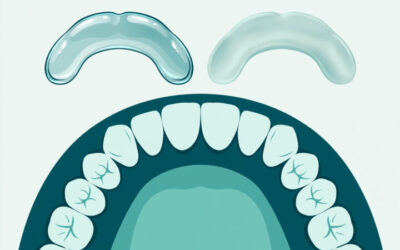
Cost and fit matter too. A custom splint costs far more than a boil-and-bite guard, and neither helps if it is worn inconsistently or fits badly enough to change how your teeth meet. Our comparison of a TMJ splint vs. night guard walks through the differences, and our earlier article asks whether a dental splint is really the answer for TMJ pain. The short version: a splint is a reasonable protective tool, especially for grinders — it is not a cure, and it works best alongside, not instead of, active care.
Where does Botox fit in TMJ treatment?
Botulinum toxin type A relaxes the muscle it is injected into, usually the masseter and sometimes the temporalis. The logic is appealing if your pain is driven by overactive chewing muscles. The evidence, however, is the weakest of the three options in this comparison. The NIDCR states that botulinum toxin is approved by the FDA for some medical conditions, such as migraine, but not for TMDs, and that studies for TMD have produced mixed results — it remains unclear whether this treatment is effective for relieving TMD symptoms.
A 2024 systematic review and meta-analysis in PLOS ONE (Saini and colleagues) put numbers on that uncertainty. It included randomised trials with a total study population of 395 patients and found that botulinum toxin was not significantly better than placebo for pain reduction at one, three, or six months, and found no difference compared with placebo or other treatments for maximum mouth opening, bruxism events, or maximum bite force. Its conclusion was that botulinum toxin was not associated with better outcomes on those measures. Other reviews are more positive for selected patients with muscle-driven pain, which is exactly why the NIDCR calls the overall picture mixed rather than negative.
Botox also has practical limits the other two options do not. Its effect is temporary, so maintaining any benefit means repeat injections and repeat cost. It does nothing for the joint itself, for a displaced disc, or for tooth wear — a grinder may still need a splint to protect their teeth. And weakening chewing muscles has trade-offs, including chewing fatigue if the dose is more than the muscle needed. Our detailed review of Botox for TMJ and what the evidence actually says covers doses, risks, and who might reasonably consider it. A fair summary: Botox is a second-line, selected-case option to discuss after conservative care — not a first tmj treatment, and not a permanent fix.
Physical therapy vs splint vs Botox, side by side
| Option | What it does | Evidence for pain | Main limits |
|---|---|---|---|
| Physical therapy (mobilisation, trigger point therapy, supervised jaw exercise) | Restores movement, treats tender chewing muscles, builds a home routine | Strongest of the three: therapist-assisted mobilisation and manual trigger point therapy were among the most effective interventions in the BMJ network meta-analysis | Takes weeks and consistent home practice; needs a therapist experienced with the jaw |
| Removable splint / night guard | Protects teeth from grinding; may help break a clenching habit | Limited: the NIDCR notes there is not a lot of evidence that appliances improve TMD pain | Does not treat muscle or joint causes; must not permanently change the bite; stop and seek advice if it causes pain |
| Botox (botulinum toxin type A) | Temporarily relaxes injected chewing muscles | Mixed: not FDA-approved for TMD; a 2024 meta-analysis found no significant advantage over placebo for pain at 1, 3, or 6 months | Temporary, repeat cost; possible chewing weakness; does not help the joint or protect teeth |
How should you choose a TMJ treatment order?
Start with the diagnosis, not the product. TMD covers more than 30 conditions, in the NIDCR’s grouping — joint and disc disorders, chewing-muscle disorders, and headaches associated with TMD — and the best option depends on which one you have. Muscle-driven pain points toward physical therapy and self-management. Tooth wear from grinding points toward a splint for protection, whatever else you do. Joint problems with locking or severely limited opening need assessment before any of these three.
Then follow the reversible-first order both the BMJ guideline work and the NIDCR support. First, simple self-care: soft foods during a flare, heat or cold, gentle stretching, and reducing habits such as jaw clenching, gum chewing, or nail biting. Second, supervised physical therapy for persistent pain or limited movement. Third, add a properly fitted splint if your teeth need protection or clenching is a clear driver. Only after those steps, and with a clear muscle-driven diagnosis, does a conversation about injections make sense — with a second opinion before anything irreversible, as the NIDCR advises. Our article on when TMJ pain becomes chronic explains why persistent pain also deserves a broader plan covering sleep, stress, and coping, which is where CBT — the other top-ranked intervention in the BMJ review — comes in.
Finally, judge any tmj treatment by a deadline. Agree with your clinician what improvement you expect, and by when, before you start. A treatment that cannot show change in pain or function within an agreed period should be reassessed, not renewed automatically — that applies to splint adjustments and repeat injections just as much as to exercise programmes.
Frequently asked questions
What is the most effective TMJ treatment?
In the BMJ network meta-analysis of 153 trials, the interventions probably most effective for chronic TMD pain were CBT augmented with biofeedback or relaxation, therapist-assisted jaw mobilisation, and manual trigger point therapy. Supervised jaw exercise and stretching also helped pain and physical functioning. No single product topped the list, which is why clinicians usually combine active care with self-management.
Is a splint better than physical therapy for TMJ?
For pain, the evidence favours physical therapy: hands-on mobilisation, trigger point therapy, and supervised jaw exercise ranked near the top of the BMJ comparison, while the NIDCR notes there is limited evidence that splints improve TMD pain. A splint’s clearest job is different — protecting teeth from grinding and helping break a clenching habit — so the two are often used together.
Does Botox work better than a splint for TMJ?
There is no good evidence that it does. Botox is not FDA-approved for TMD, the NIDCR describes its study results as mixed, and a 2024 meta-analysis found it was not significantly better than placebo for pain at one, three, or six months. A splint at least protects teeth, which Botox cannot do. Botox is usually discussed only for selected muscle-driven cases after conservative care.
Can I combine physical therapy, a splint, and Botox?
Combinations are common — the BMJ review itself included 59 interventions and combinations — and physical therapy plus a protective splint is a frequent pairing. Adding Botox is a bigger step: it is off-label for TMD, temporary, and costly to repeat, so it should follow a clear diagnosis and a trial of conservative care, with the decision made alongside your dentist or an orofacial pain specialist.
Conclusion
Compared head to head on the best available evidence, physical therapy is the strongest of these three options for chronic TMJ pain, a splint is a useful protective tool with limited evidence for pain relief, and Botox is a mixed-evidence, second-line option that is not FDA-approved for TMD. That ordering — active and reversible first, devices for protection, injections last — matches both the BMJ review and guideline and the NIDCR’s conservative-first advice. Whatever you choose, start with an accurate diagnosis, set a deadline for judging results, and be wary of any tmj treatment that promises a permanent fix or asks you to permanently change your bite.
Sources
- Yao L, Sadeghirad B, Li M, et al. Management of chronic pain secondary to temporomandibular disorders: a systematic review and network meta-analysis of randomised trials. BMJ. 2023;383:e076226. BMJ full text (PDF)
- Busse JW, Casassus R, Carrasco-Labra A, et al. Management of chronic pain associated with temporomandibular disorders: a clinical practice guideline. BMJ. 2023;383:e076227 (companion guideline to the review above).
- National Institute of Dental and Craniofacial Research (NIDCR). Temporomandibular Disorders (TMD) — treatment, intraoral appliances, physical therapy, and botulinum toxin sections. nidcr.nih.gov/health-info/tmd
- Saini RS, et al. The effectiveness of botulinum toxin for temporomandibular disorders: A systematic review and meta-analysis. PLOS ONE. 2024;19(3):e0300157. PLOS ONE
Medical disclaimer: This article is educational information only and is not medical or dental advice. TMJ disorders have many causes; talk to your dentist, doctor, or an orofacial pain specialist about diagnosis and treatment decisions for your specific case.
About this information
Consult the sources listed in the article. This notice does not certify an individual clinical review.
This article is for education only and is not medical advice. Talk to a qualified clinician about your own symptoms.


0 Comments